
A long time ago in 2009, when I was only 5 years old, people watched TV in a different way. Imagine a TV signal like a drawing made with a really long, squiggly line. That was called analog. The problem was, if something messed with the line, like a storm or a weak signal, the drawing got smudged. That’s when people saw static on their screens, the fuzzy snow that made it hard to watch cartoons.
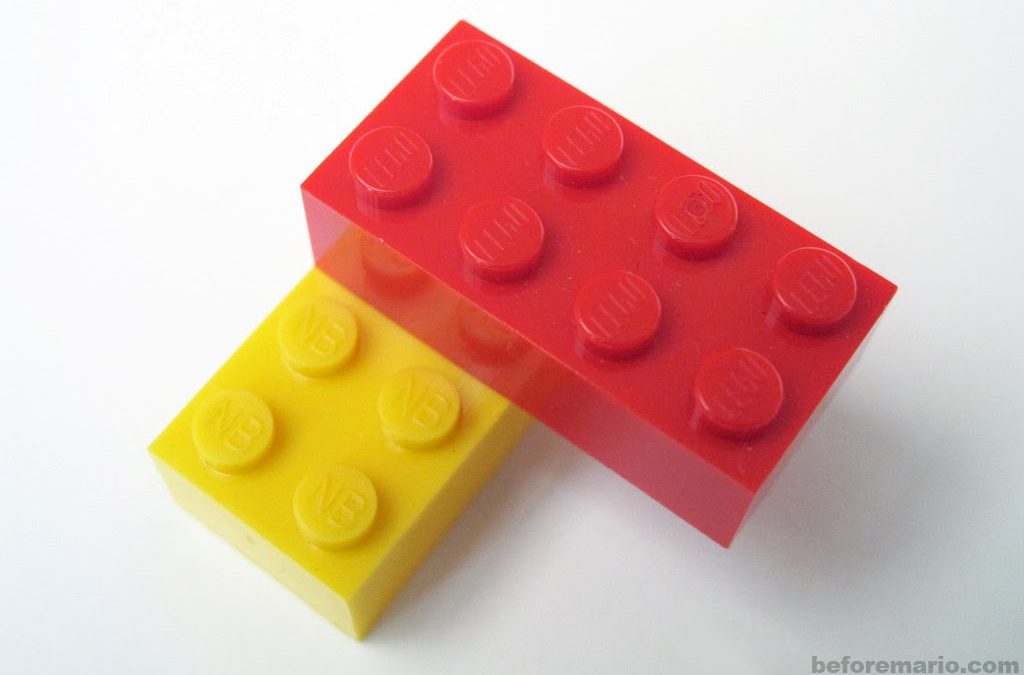
Then came digital. Instead of squiggly lines, digital uses only two building blocks: zeros and ones. Think of it like LEGO bricks. Every picture, sound, or show is built out of just those two shapes. The magic is that LEGO pieces always fit perfectly. So with digital, the TV either shows a clear picture or nothing at all.
In 2009, the U.S. decided to switch from the old squiggly-line signals to the LEGO-style digital ones. Suddenly, TV got sharper, more channels fit into the same space, and people didn’t need giant antennas anymore. Smaller dishes could do the trick. But there was one catch: old TVs couldn’t speak “digital.” They only understood the squiggly analog language. So people had to use little translator boxes, called converters, that took the LEGO signals and changed them back into squiggles for the old TVs.
This big change made watching TV better for everyone!